

+86-18913642321

Liduck.1985@163.com
DAWANG GEARBOX

Views: 0 Author: Site Editor Publish Time: 2025-09-24 Origin: Site


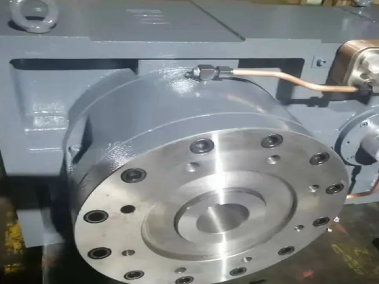
In modern manufacturing, efficiency and productivity are two of the most critical metrics that determine the success of any operation. Within the plastics industry, where demand for high-quality products continues to rise, manufacturers constantly look for ways to optimize their production systems. Among the many components in a plastic extrusion line, the plastic extruder gearbox plays a vital role. It is more than just a mechanical part—it’s the heart of the extrusion process, influencing energy consumption, product quality, and overall operational output.
This article explores how plastic extruder gearboxes impact energy efficiency and productivity, shedding light on why this component is so important for manufacturers aiming to stay competitive.
A plastic extrusion system transforms raw plastic materials into continuous shapes like pipes, sheets, films, or profiles. At the center of this process is the extruder, where materials are melted and shaped under pressure. The gearbox acts as the connecting link between the motor and the screw, converting the motor’s power into the torque and speed required to drive the extrusion screw effectively.
Without a well-designed gearbox, the motor’s energy could not be efficiently transferred, leading to power losses, excessive wear, and lower productivity. Therefore, the gearbox functions as both a power optimizer and a performance stabilizer.
Energy efficiency has become a top priority in modern plastic extrusion due to rising electricity costs and stricter sustainability requirements. The gearbox, as the central component transmitting power between the motor and the screw, plays a decisive role in determining how much energy is consumed during operation. Advanced plastic extruder gearboxes are specifically designed to reduce energy waste, ensuring manufacturers can produce more with less.
Torque Optimization
Plastic extrusion is a process that demands continuous high torque to process viscous polymer materials. A well-designed gearbox distributes this torque evenly while minimizing mechanical losses. Unlike outdated designs, modern gearboxes use optimized tooth geometry, hardened gear materials, and precision alignment to maximize torque transfer. This results in smoother operations, fewer vibration losses, and lower energy consumption per unit of production. Over time, these small savings accumulate, making a significant impact on operational costs.
Precision Engineering and Lubrication
Another factor that directly influences efficiency is lubrication. Advanced plastic extruder gearboxes feature intelligent lubrication systems that reduce friction between moving parts, preventing unnecessary heat buildup. Automated lubrication delivery ensures oil is distributed evenly, lowering resistance and extending service intervals. Paired with precision-engineered gear teeth that fit together seamlessly, the gearbox operates with minimal energy loss. This not only reduces electricity demand but also lowers wear, allowing the system to remain efficient for longer periods without performance degradation.
Heat Management
Heat is a byproduct of inefficiency. In older gearboxes, poor design or insufficient cooling often leads to excessive heat buildup, which increases energy consumption and accelerates component wear. Modern extruder gearboxes address this with advanced thermal management systems, including heat-dissipating housings, improved oil circulation, and sometimes integrated cooling mechanisms. By keeping operating temperatures within optimal ranges, the gearbox requires less auxiliary cooling power, contributing to overall energy savings.
Reduced Motor Load
The gearbox doesn’t just impact its own efficiency—it also affects the motor driving the system. Efficient gear transmission lowers resistance and reduces the load on the motor. This allows the motor to run at its intended capacity without overexertion, lowering electrical consumption and extending the motor’s lifespan. When scaled across continuous production cycles, the synergy between motor and gearbox ensures the extrusion line operates more economically while reducing the risk of costly motor failures.
While energy efficiency is critical, productivity remains the ultimate benchmark in extrusion operations. A plastic extruder gearbox directly influences how consistently and reliably the system can produce. When engineered for durability and precision, it transforms an extrusion line into a highly reliable production asset.
Consistent Screw Speed
The extrusion process requires a steady and controlled screw rotation. Fluctuations in screw speed can lead to inconsistent melting, irregular flow, or defective products. A robust gearbox ensures constant torque delivery, stabilizing screw speed under varying loads. This consistency enables manufacturers to maintain tight tolerances in product dimensions, reduce waste, and deliver a higher percentage of first-pass quality products.
Handling Heavy Loads
Large-scale extrusion processes—such as producing thick pipes, wide sheets, or industrial profiles—demand gearboxes that can withstand extreme loads without performance loss. Advanced gearboxes are designed with reinforced housings, high-load-bearing bearings, and superior shaft alignment to handle these stresses. This capability not only prevents sudden breakdowns but also ensures production continues smoothly even during peak demand.
Reduced Maintenance Downtime
Downtime is one of the most significant threats to productivity. Every hour lost to gearbox repair or replacement translates to reduced throughput and delayed orders. High-quality extruder gearboxes are engineered for durability, with wear-resistant materials, advanced lubrication, and precise tolerances that minimize the risk of premature failure. Because they require less frequent maintenance, production lines enjoy longer uninterrupted runs, boosting annual productivity.
Flexibility for Different Applications
Another advantage of modern gearboxes is their adaptability. Manufacturers often switch between producing different plastic products—thin films, rigid profiles, sheets, or pipes. A versatile gearbox can handle these variations without requiring major adjustments. Some advanced designs also allow for modular customization, enabling manufacturers to fine-tune gearbox performance for specific applications. This flexibility ensures higher production efficiency while reducing the need for multiple specialized machines.
Reliability in Continuous Operations
Extrusion lines often run continuously for days or even weeks. Gearboxes that are not designed for long-duration operations may suffer from overheating, misalignment, or premature wear. Advanced extruder gearboxes are built to sustain these long cycles, ensuring minimal interruptions and predictable output. The ability to trust that the gearbox will operate reliably over extended runs directly translates into higher plant productivity and profitability.
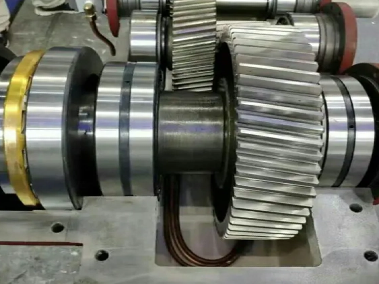
Energy-efficient gearboxes not only lower electricity bills but also reduce carbon emissions. As global industries move toward sustainable practices, the gearbox’s role in minimizing waste and energy use becomes increasingly significant. Manufacturers who adopt advanced gearbox solutions gain both cost savings and a reputation for environmental responsibility.
Recent advancements have introduced smart gearboxes equipped with sensors that monitor vibration, temperature, and lubrication levels in real time. These innovations allow predictive maintenance, reducing unexpected failures and further enhancing both energy efficiency and productivity.
Moreover, improvements in materials, such as high-strength alloys and advanced surface treatments, are pushing gearboxes toward even greater durability and efficiency.
Selecting the appropriate gearbox involves considering factors such as:
The type of plastic being processed
Required torque and speed
Operational environment
Long-term energy efficiency goals
Working with a reliable gearbox manufacturer ensures that the equipment meets specific production needs while offering maximum efficiency and productivity.
The plastic extruder gearbox is far more than a mechanical component—it is a critical factor influencing energy efficiency, productivity, and product quality in the plastics industry. With the growing need for sustainable and cost-effective manufacturing, investing in advanced gearbox solutions is not just an option but a necessity.
For businesses aiming to enhance their extrusion operations, it’s worth exploring high-performance gearbox solutions from trusted providers. Companies like Suzhou Dawang Transmission Equipment Co., Ltd. specialize in designing and manufacturing gearboxes tailored for plastic extrusion applications. To learn more about their offerings or to explore how their solutions can boost your efficiency and productivity, you can visit their website or reach out directly for consultation.


