

+86-18913642321

Liduck.1985@163.com
DAWANG GEARBOX

Views: 0 Author: Site Editor Publish Time: 2025-11-07 Origin: Site


Plastic extruder gearboxs are crucial in manufacturing, driving efficiency and productivity. But what happens when they fail? Regular maintenance and repair are vital to prevent costly downtime and ensure smooth operation. In this guide, you'll learn how to identify issues, repair gearboxes, and maintain optimal performance.
A plastic extruder gearbox is made up of several essential parts that work together to transfer power from the motor to the extruder screw. The main components include:
● Gears: These are the heart of the gearbox. They come in various types like spur, helical, or bevel gears, depending on the design. Gears mesh to transmit torque and adjust speed.
● Shafts: These support the gears and rotate to transfer motion. They must be strong and precisely aligned.
● Bearings: Bearings reduce friction between moving parts, allowing smooth rotation of shafts and gears.
● Housing: The outer casing protects internal components from dust, debris, and damage. It also supports the alignment of parts.
● Seals: These prevent lubricant leaks and keep contaminants out.
● Lubrication System: Some gearboxes have built-in channels or reservoirs for oil or grease to reduce wear.
● Gears mesh together to change the speed and torque from the motor to the extruder screw. Larger gears slow down speed but increase torque, essential for pushing plastic material.
● Shafts hold gears in place and rotate, transferring power efficiently. If shafts are bent or misaligned, it causes vibration and wear.
● Bearings support shafts and reduce friction. Worn bearings lead to noise and overheating.
● Housing keeps everything aligned and shields parts from external damage. It also helps maintain proper lubrication.
● Seals keep the lubricant inside and contaminants out, crucial for long-lasting gearbox life.
● Lubrication System keeps gears and bearings lubricated to reduce friction and heat, preventing premature failure.
● Gears are usually made from hardened steel for strength and durability. Sometimes, they have surface treatments like nitriding for extra wear resistance.
● Shafts are made from alloy steel or stainless steel to withstand stress and corrosion.
● Bearings typically use high-grade steel or ceramic materials for smooth operation and longevity.
● Housing is often cast iron or aluminum alloy. Cast iron offers durability and vibration damping, while aluminum provides lightweight benefits.
● Seals are made from rubber, silicone, or other elastomers resistant to heat and chemicals.
● Lubricants vary but often include synthetic oils or greases designed to handle high pressure and temperature.
Understanding these components helps identify which parts need attention during maintenance or repair. For example, noisy operation might indicate worn bearings, while oil leaks suggest seal failure.
Dirt, dust, and moisture can sneak into the gearbox and cause serious problems. These contaminants wear down gears and shafts through abrasion. They also promote corrosion, which weakens metal parts. When dirt clogs seals or bearings, it disrupts smooth operation, leading to more damage. Keeping the gearbox sealed and clean is crucial to avoid these issues.
Lubrication reduces friction and heat between moving parts. Without enough lubricant, gears and bearings grind against each other, wearing out fast. Dirty or wrong lubricants cause similar problems, increasing friction and heat. This accelerates wear and can cause the gearbox to fail prematurely. Regularly checking and replacing lubricant is vital.
When the gearbox isn’t lined up properly with the motor and extruder screw, it causes stress on parts. Misalignment leads to vibration, noise, and uneven wear. Over time, this can damage gears, shafts, and bearings. It also wastes energy and reduces efficiency. Regular alignment checks help catch problems early.
Mistakes during use or maintenance can harm the gearbox. Overloading or running the gearbox too fast strains components. Incorrect installation or settings cause undue stress. Skipping inspections lets small issues grow into big failures. Following proper procedures and schedules prevents these errors.
Watch for signs of trouble to catch failure early:
● Unusual noises like grinding or whining
● Excessive vibration during operation
● Overheating of the gearbox housing
● Oil or grease leaks around seals
● Cracks or visible damage on the gearbox
● Reduced performance or slower extrusion speed
If you notice any of these signs, act quickly to inspect and repair the gearbox.
Before starting any repair, safety is key. Always power off the machine and disconnect it from its power source. This prevents accidental startup or electrical shocks. Wear protective gloves and safety glasses to shield your hands and eyes from sharp parts or lubricant splashes. Work in a clean, well-lit area to avoid losing small components. Keep tools organized and avoid loose clothing or jewelry that could get caught in moving parts.
Begin by carefully removing the gearbox from the extruder assembly. Use the correct tools to loosen bolts and screws without damaging them. Lay out parts systematically to remember their order. Inspect each component closely for signs of wear, cracks, or damage. Look for worn gears, pitted bearings, damaged seals, or bent shafts. Check for leaks around seals or evidence of lubricant contamination. Take notes or photos to document damaged parts for replacement.
Clean all components thoroughly before reassembly. Use a degreasing solvent or specialized cleaner to remove old lubricant, dirt, and debris. A soft brush helps reach tight spots. Dry parts completely to avoid trapping moisture. Apply fresh lubricant suitable for plastic extruder gearboxes. Use the right type and amount—too little causes friction, too much attracts dirt. Lubricate gears, bearings, and shafts evenly. Avoid contaminating seals or internal surfaces that should remain clean.
Reassemble the gearbox by reversing disassembly steps. Align gears and shafts precisely to prevent misalignment issues. Tighten bolts to manufacturer specifications to avoid overtightening or loosening. After assembly, manually rotate the gearbox to check for smooth movement and absence of unusual noises. Reinstall the gearbox on the extruder and reconnect power. Run the extruder at low speed first, monitoring temperature, noise, and vibration. Gradually increase speed while observing performance to confirm repair success.
Some gearbox issues require expert attention. If you find severe damage like broken gears, cracked housing, or bent shafts, professional repair or replacement is best. Complex problems such as internal misalignment or bearing failure may need specialized tools and expertise. If you lack experience or confidence, avoid trial-and-error repairs that might worsen damage. Contact a qualified technician for thorough diagnosis and reliable repair to minimize downtime and protect your investment.
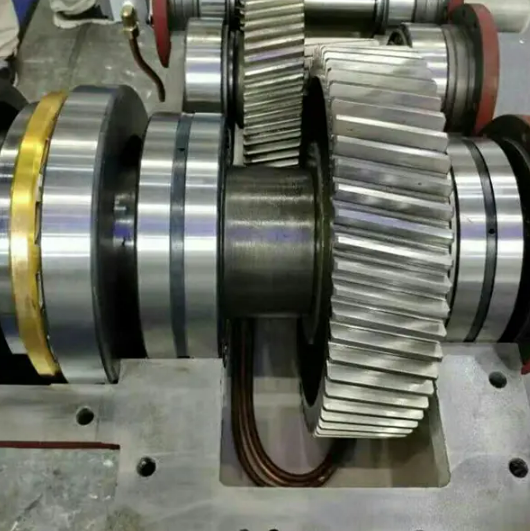
Regular inspections catch small problems before they grow. Check gears, shafts, and bearings for unusual wear or damage. Look for oil leaks around seals and listen for strange noises during operation. Inspect the gearbox housing for cracks or corrosion. Make inspections part of your scheduled maintenance, ideally weekly or monthly depending on usage. Use checklists to ensure no part is overlooked.
Lubrication keeps parts moving smoothly and prevents wear. Use the right type of lubricant recommended by the manufacturer. Apply it evenly to gears, bearings, and shafts. Avoid over-lubricating, which can attract dirt and cause buildup. Change lubricants regularly to maintain their effectiveness. Keep lubricant reservoirs clean and sealed to prevent contamination.
Misalignment causes vibration, noise, and premature wear. Check alignment between the gearbox, motor, and extruder screw regularly. Use precision tools like dial indicators or laser alignment systems for accuracy. Tighten mounting bolts and fasteners to manufacturer specs to keep parts stable. Realign immediately if you notice vibration or unusual noises.
Always follow the manufacturer’s maintenance schedules and instructions. They know the gearbox best and provide specific advice on inspection intervals, lubrication types, torque settings, and operational limits. Use genuine replacement parts to maintain reliability. Keep a maintenance log to track performed tasks and any issues found. This helps in troubleshooting and ensures warranty compliance.
Selecting the proper lubricant is crucial for the smooth operation and long life of plastic extruder gearboxes. The lubricant must reduce friction, prevent wear, and withstand the operating conditions inside the gearbox. Common types include:
● Synthetic Gear Oils: These oils offer excellent thermal stability and resist oxidation. They perform well under high pressure and temperature, making them ideal for heavy-duty gearboxes.
● Mineral-Based Oils: Traditional lubricants derived from petroleum. They work well for moderate operating conditions but may require more frequent changes.
● Greases: Often used in bearings and seals, greases provide longer-lasting lubrication and help seal out contaminants. Choose greases compatible with the gearbox materials and operating temperatures.
● Specialized Lubricants: Some gearboxes require lubricants with additives for enhanced anti-wear, corrosion protection, or extreme pressure (EP) performance.
Always consult the gearbox manufacturer’s recommendations to select lubricants that match the gearbox design, load, and temperature range.
Having the right tools ensures effective maintenance and avoids damage during lubrication or repair. Essential tools include:
● Torque Wrenches: For tightening bolts to manufacturer specifications, preventing overtightening or loosening.
● Grease Guns: Allow precise application of grease to bearings and lubrication points.
● Oil Dispensing Pumps: Help control the amount of oil added to the gearbox.
● Inspection Tools: Flashlights, magnifying glasses, and borescopes help inspect hard-to-see areas.
● Cleaning Brushes and Solvents: For removing old lubricant and debris before applying fresh lubricant.
● Alignment Tools: Dial indicators or laser alignment devices ensure shafts and gears are properly positioned.
Using these tools correctly helps maintain gearbox performance and extends service life.
● Clean Before Lubricating: Remove old lubricant, dirt, and debris to avoid contamination.
● Use the Right Quantity: Too little lubricant causes wear; too much attracts dirt and causes overheating.
● Apply Evenly: Ensure all gears, bearings, and shafts receive proper coverage.
● Avoid Contaminating Seals: Keep lubricant away from seal surfaces to prevent leaks.
● Follow Lubrication Intervals: Stick to recommended schedules for re-lubrication based on operating hours and conditions.
● Store Lubricants Properly: Keep lubricants sealed and stored in a clean, dry place to maintain quality.
Proper lubrication reduces friction and heat, preventing premature failure and costly downtime.
One of the biggest mistakes is skipping regular maintenance checks. Gearboxes need routine inspections to catch small problems early. Ignoring this can lead to serious issues like worn gears or damaged seals that cause costly downtime. Make maintenance a priority by scheduling inspections and sticking to them. Even simple checks like listening for unusual noises or looking for oil leaks can save you from bigger repairs.
Using the wrong lubricant can be just as harmful as not lubricating at all. Different gearboxes require specific oils or greases based on their design and operating conditions. Applying an incompatible lubricant may cause increased friction, overheating, or seal damage. Always follow the manufacturer’s lubricant recommendations. If unsure, consult technical datasheets or professionals to select the right product. Proper lubrication extends gearbox life and keeps it running smoothly.
Incorrect installation leads to misalignment, loose fasteners, or damage to sensitive parts. This causes vibration, noise, and premature wear. Common errors include overtightening bolts, not aligning shafts properly, or damaging seals during assembly. Use the correct tools like torque wrenches and alignment devices to avoid these issues. Follow step-by-step procedures and manufacturer guidelines carefully. Taking time during installation prevents costly mistakes and ensures reliable operation.
Trying to fix complex gearbox problems without expert help can worsen damage. Some repairs require specialized knowledge, tools, or replacement parts. If you encounter severe wear, broken gears, or internal misalignment, seek professional service. Professionals can diagnose issues accurately and perform repairs safely. Don’t risk downtime or further damage by guessing. Partnering with qualified technicians protects your investment and keeps production running.
Understanding plastic extruder gearbox components is crucial for efficient operation and maintenance. Proper maintenance ensures long-term benefits, reducing downtime and repair costs. Implementing best practices like regular inspections and correct lubrication extends gearbox life. Dawang offers high-quality gearboxes with unique features, ensuring reliable performance and value. By following these guidelines, users can maximize their gearbox's efficiency and longevity, benefiting from Dawang's expert services and products.
A: A Plastic Extruder Gearbox is a mechanical device that transfers power from the motor to the extruder screw, using components like gears, shafts, and bearings to adjust speed and torque.
A: Noisy operation in a Plastic Extruder Gearbox often indicates worn bearings or misalignment. Inspect and replace damaged parts, and ensure proper alignment and lubrication.
A: Lubrication reduces friction and heat in a Plastic Extruder Gearbox, preventing premature wear of gears and bearings, and ensuring smooth operation.
A: Regular maintenance of a Plastic Extruder Gearbox prevents failures, extends lifespan, and ensures efficient performance by identifying and addressing minor issues early.


