

+86-18913642321

Liduck.1985@163.com
DAWANG GEARBOX

Views: 0 Author: Site Editor Publish Time: 2025-09-24 Origin: Site


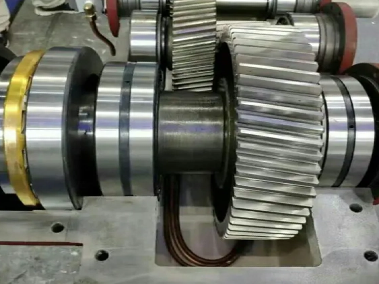
In the world of industrial machinery, gearboxes are critical components that determine how effectively power is transmitted, torque is managed, and motion is controlled. While gearboxes are used in countless applications ranging from conveyor belts to mining equipment, not all gearboxes are created equal. Specialized industries often require specialized gearbox designs to meet unique operational challenges.
A standard industrial gearbox is a general-purpose transmission system used across industries such as manufacturing, material handling, mining, power generation, and more. It typically consists of gears, bearings, shafts, and housings designed to transmit power between a motor and a driven system. These gearboxes vary in type (helical, bevel, worm, planetary, etc.), torque capacity, and size but are designed for broad, often interchangeable use.
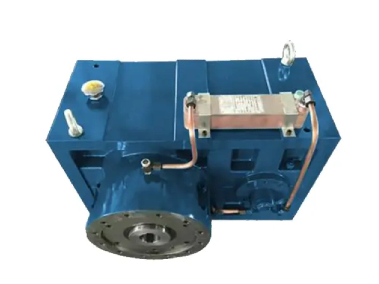
A Plastic Extruder Gearbox is a purpose-built gearbox tailored to the demands of extrusion machinery. In plastic extrusion, raw polymer materials are melted and forced through a die to create continuous shapes such as pipes, sheets, or films. This process requires precise torque delivery, consistent speed, and high reliability under continuous heavy loads.
Unlike standard gearboxes, the plastic extruder gearbox is engineered with reinforced bearings, specialized lubrication systems, and optimized gear ratios to handle the extreme axial thrust and thermal conditions typical of extrusion operations.
The fundamental differences between plastic extruder gearboxes and standard industrial gearboxes stem from the fact that they are designed for very different operating environments. While a standard gearbox is intended for general power transmission across varied industries, a plastic extruder gearbox must be engineered to withstand the specific and demanding conditions of extrusion processes. These differences manifest in several critical design aspects.
A plastic extruder gearbox is purpose-built to handle exceptionally high torque loads for extended durations. During extrusion, the screw must consistently push molten plastic through a die, a process that places immense mechanical stress on the gearbox. To ensure smooth material flow without interruptions, the gearbox must deliver torque continuously and without fluctuation. In comparison, a standard gearbox is designed for general-purpose power transmission and may not sustain the heavy, consistent loads that extrusion requires. Over time, using a standard gearbox in such an environment could result in premature wear or failure.
Another critical difference lies in the bearing configuration. Extrusion processes generate large axial thrust forces as the screw drives material forward. A plastic extruder gearbox is therefore equipped with heavy-duty thrust bearings capable of absorbing these forces without compromising operational stability. Standard gearboxes, on the other hand, are usually optimized for radial loads and lighter axial forces. When exposed to extrusion conditions, they can suffer from excessive strain, reduced lifespan, or frequent breakdowns.
Plastic extruder gearboxes are fitted with advanced lubrication and cooling mechanisms, such as forced oil circulation systems and integrated heat exchangers. These features help dissipate the intense heat produced during continuous plastic processing, maintaining optimal operating conditions. By contrast, a standard gearbox typically relies on simpler splash or bath lubrication methods. While adequate for moderate-duty industrial tasks, these systems are not optimized for the extreme temperatures of extrusion, leading to overheating and performance issues in demanding applications.
Gear ratios in a plastic extruder gearbox are precisely engineered to match the unique requirements of extrusion screws. This ensures accurate speed control and consistent torque delivery, which directly impact the quality and uniformity of extruded products. Standard gearboxes, by contrast, offer more generalized ratios intended to fit a wide range of machinery. While versatile, they may not deliver the precise performance necessary for extrusion processes, potentially compromising output consistency.
Finally, the materials and construction of plastic extruder gearboxes emphasize long-term durability. They are often built from high-strength alloys and use heat-treated components to withstand continuous stress, wear, and the corrosive conditions of plastic processing. This makes longevity and reliability a central design focus. Standard gearboxes, although durable in their own right, are not specialized for such environments. As a result, they are more prone to wear and damage when subjected to the harsh and sustained demands of extrusion.
The unique design features of plastic extruder gearboxes translate into significant performance differences when compared with standard gearboxes.
Extrusion processes often run 24/7. Plastic extruder gearboxes are built for continuous duty cycles without overheating or premature wear, ensuring minimal downtime. In contrast, standard gearboxes may not sustain such long operations without frequent maintenance.
Consistency in output is critical for extrusion. Plastic extruder gearboxes deliver stable torque and rotational speeds, ensuring uniform thickness and quality of extruded products. Standard gearboxes may struggle to maintain the same level of precision under heavy loads.
Specialized design and precision engineering reduce noise and vibration in plastic extruder gearboxes, which is vital for both operator comfort and machine stability. Standard gearboxes, while functional, may not prioritize these performance factors.
Plastic extrusion machinery (pipes, sheets, films)
Rubber extrusion systems
Twin-screw or single-screw extruders
Continuous industrial production environments requiring high torque stability
Conveyors and material handling systems
Pumps, fans, and blowers
Mining and cement machinery
General industrial machinery with varied loads and duty cycles
Because these gearboxes operate under extreme stress, they are designed with advanced monitoring and maintenance features. Regular oil analysis, cooling system checks, and thrust bearing inspections are essential but are supported by robust design that extends lifespan.
Maintenance is generally simpler, involving lubrication checks and bearing inspections. However, under extrusion conditions, a standard gearbox may experience accelerated wear and a shorter service life.
Plastic Extruder Gearbox: Higher upfront cost due to specialized design, materials, and engineering. However, the investment pays off through reduced downtime, fewer failures, and longer operational life.
Standard Gearbox: Lower initial cost and widely available, but in the wrong application (such as extrusion), it can lead to frequent breakdowns and higher long-term costs.
While both plastic extruder gearboxes and standard industrial gearboxes share the common role of transmitting power and controlling torque, their differences are significant. The Plastic Extruder Gearbox is specifically engineered to meet the high demands of extrusion processes—handling extreme torque, axial thrust, and thermal stress with precision and reliability. In contrast, a standard industrial gearbox is more versatile but lacks the specialization required for such intense, continuous-duty applications.
For businesses in the plastic processing industry, choosing the right gearbox is not just a technical decision—it is a strategic investment in productivity, efficiency, and long-term cost savings.
If you are exploring reliable gearbox solutions tailored for extrusion or seeking expert advice, it’s worth connecting with a trusted partner. Suzhou Dawang Transmission Equipment Co., Ltd. is a company with expertise in designing and manufacturing high-performance gearboxes, including specialized extruder gearboxes, to meet the evolving needs of the plastics industry. Their experience and commitment to quality make them a valuable resource for businesses aiming to optimize their extrusion processes.


