

+86-18913642321

Liduck.1985@163.com
DAWANG GEARBOX

Views: 0 Author: Site Editor Publish Time: 2026-03-17 Origin: Site


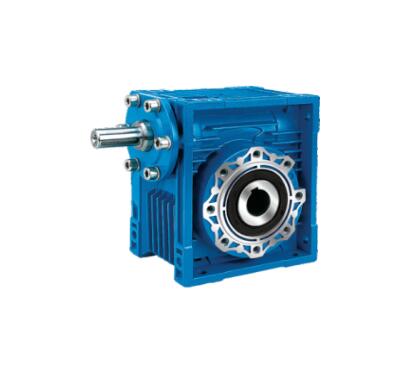
Most industrial drives do not fail in a single moment. They wear down through heat, vibration, poor lubrication, and wrong sizing. In many cases, the real difference between short service life and long-term uptime starts with the right Gear Motor.
In this article, we explore how reliable gear motors help extend operational lifespan in industrial systems. You will learn how they reduce wear, improve drive stability, and support better maintenance results over time.
A reliable Gear Motor protects more than itself. It also protects the driven machine. When torque is delivered in a steady and controlled way, the load sees less shock during startup, fewer harsh changes in speed, and lower stress during continuous operation. This helps reduce wear on couplings, chains, belts, bearings, shafts, and driven components throughout the line.
The effect becomes clearer over time. A drive system that runs smoothly usually needs fewer repairs and fewer emergency stops. It also stays closer to its intended performance level. In industrial plants, this matters because the real cost of wear is not only part replacement. It is also lost production, higher labor demand, and more frequent maintenance planning.
Heat is one of the most common reasons a Gear Motor loses life early. Excessive temperature can damage insulation, reduce lubricant performance, and speed up wear in bearings and gears. If heat is allowed to build during long shifts, the system may still keep running for a while, but internal damage will often continue in the background.
That is why temperature control should be treated as a lifespan issue, not only as an efficiency issue. A cooler-running motor usually maintains more stable electrical performance and better mechanical reliability. In demanding industrial drives, even moderate overheating can shorten service life sharply. Good cooling, correct loading, and regular inspection help stop that problem before it grows into failure.
Vibration is often the first warning sign that something is wrong. A Gear Motor may vibrate because of misalignment, bearing damage, poor foundation support, loosened fasteners, or imbalance in rotating parts. At first, the change may seem small. Later, it can grow into faster wear, unstable operation, and loss of positioning quality in the machine.
Monitoring vibration helps maintenance teams detect these problems early. It allows them to act before the issue causes serious damage to the gearbox, motor bearings, or connected equipment. In continuous-duty plants, this is especially valuable because early correction is far cheaper than a full shutdown. A stable drive system usually starts with low and predictable vibration behavior.
Reliability has a direct business value. A dependable Gear Motor reduces the number of unexpected failures, cuts emergency repair time, and helps production lines stay on schedule. When the drive system lasts longer between service events, plants gain more usable operating hours and lower maintenance pressure.
This also improves cost performance over the full lifecycle. A cheaper motor that fails early often becomes more expensive than a reliable one that runs well for years. Buyers who focus only on purchase price may miss this. In industrial drives, operational lifespan is tied closely to uptime, and uptime is one of the biggest cost factors in any production environment.
Tip: If a drive fails repeatedly, review heat, vibration, alignment, and load profile before replacing the motor again.
A long-lasting Gear Motor depends on several conditions working together. In most plants, four factors deserve early attention:
1. lubrication quality
2. cooling performance
3. alignment and foundation stability
4. correct motor and gearbox sizing
Lubrication protects both the motor and the gearbox side of a Gear Motor system. It reduces friction, controls surface wear, and helps remove heat from moving contact areas. If lubricant is missing, contaminated, or poorly matched to the application, internal parts will wear faster and may fail much earlier than expected.
The schedule matters just as much as the lubricant itself. Different operating temperatures, speeds, loads, and mounting positions can change lubrication needs. A plant that uses one general rule for every drive may overlook important differences. Good lubrication practice means using the correct product, the correct amount, and the correct interval for the actual working condition, not just a generic routine.
Cooling is often ignored until the motor starts running hot. Yet a Gear Motor depends heavily on clean airflow, open cooling paths, and stable heat dissipation. Dust buildup on cooling ribs, blocked air passages, or damaged fans can trap heat inside the motor housing. This can raise operating temperature and reduce both efficiency and service life.
In dusty or heavy-duty environments, cooling surfaces should be checked regularly. Cleaning may look simple, but it protects the full drive system from hidden thermal stress. A motor that cannot release heat properly often consumes more energy and ages more quickly. In other words, cooling condition is not only a housekeeping detail. It is part of core reliability management.
Even a high-quality Gear Motor can fail early if it is installed on a weak or unstable base. Poor alignment creates extra stress on bearings, couplings, and shafts. It can also raise vibration and reduce how smoothly the drive interacts with the machine. These forces often build gradually, which makes the damage easy to miss in the beginning.
Foundation quality matters for the same reason. A weak base can loosen over time and allow vibration to grow. That movement increases mechanical stress and reduces drive stability. Good installation is therefore a lifespan issue, not only a commissioning issue. A motor that starts aligned but loses support later may still suffer early failure if the base is not maintained properly.
Sizing errors shorten motor life in two directions. An undersized Gear Motor may overheat, overload, or struggle to meet torque demand during peak conditions. An oversized unit may waste energy and operate far from its most efficient range. Both choices can reduce value and, in some cases, shorten service life.
Correct sizing should reflect actual operating conditions. That includes normal load, peak load, startup demand, duty cycle, and working environment. Buyers should not rely only on nameplate numbers or simple estimates. A well-sized motor supports stable temperature, steady torque delivery, and better efficiency across the whole operating cycle. That is why sizing is one of the strongest tools for protecting lifespan.
Lifespan Factor | Main Risk If Ignored | Long-Term Benefit When Managed Well |
Lubrication | Friction, wear, bearing failure | Lower wear and smoother operation |
Cooling | Overheating and insulation damage | Better thermal stability |
Alignment and foundation | Vibration and coupling stress | Longer bearing and shaft life |
Correct sizing | Overload or energy waste | Reliable performance and efficiency |
Note: A reliable motor usually fails less from one big event than from several small maintenance gaps left uncorrected.
A gearbox changes how fast and how strongly a motor turns. In a Gear Motor, this matters because the gearbox helps match motor output to the real load. If the machine needs more torque at lower speed, the gearbox makes that possible without forcing the motor to run outside a suitable range. That balance protects the drive system from unnecessary stress.
This also improves control. Instead of using raw motor speed and forcing the system to absorb the difference through friction or overload, the gearbox lets the drive work in a more suitable zone. That smoother match between motor behavior and machine demand is one of the reasons gear motors often last longer than unprotected direct-drive arrangements in heavy-duty industrial use.
Heavy loads place strong demands on motors during startup and continuous operation. A Gear Motor reduces that burden by allowing the gearbox to multiply torque and lower output speed. This means the motor can move demanding loads without being pushed constantly toward overload. As a result, electrical and mechanical stress both stay lower.
That protection matters in conveyors, mixers, crushers, pumps, and automated handling systems. These applications may run for long shifts or face changing loads during the day. Without proper reduction, the motor may overheat or wear prematurely. A correctly matched gear motor helps absorb those challenges more effectively and supports a longer working life in the full drive assembly.
Not every gearbox suits every job. Helical, bevel, planetary, and worm systems all behave differently under load, speed, and environmental stress. A reliable Gear Motor depends on choosing a gearbox type that matches the machine’s torque demand, speed range, mounting condition, and operating pattern.
For example, helical designs often suit continuous-duty work because they run smoothly and handle load well. Planetary designs may fit compact high-torque needs. Worm systems may suit slower compact drives but can lose more efficiency. The main point is simple: reliability improves when gearbox design is chosen for the actual task. It drops when the drive is selected only by habit, convenience, or price.
A well-matched gearbox does not only change torque. It also improves how the motor uses energy. In a Gear Motor, better torque matching can reduce wasted power, lower thermal stress, and help the motor stay closer to its intended operating range. That makes the whole system more efficient over time.
It also reduces wear in surrounding components. Sudden shock loads, poor speed matching, and unnecessary friction all put stress on shafts, couplings, and bearings. A gearbox that smooths those effects helps the entire line last longer. This is why gearbox selection should be treated as both an efficiency decision and a maintenance decision in industrial drive planning.
Preventive inspection remains one of the simplest and most effective ways to protect a Gear Motor. Regular checks of electrical connections, seals, noise, fasteners, oil condition, and mechanical wear can reveal problems while they are still small. That gives maintenance teams time to act before failure turns into downtime.
This approach is more effective than waiting for symptoms to become severe. Once a drive begins to overheat, vibrate heavily, or leak badly, the damage may already be costly. Preventive inspection reduces that risk by making reliability a planned process. In long-running industrial systems, this discipline can extend operating lifespan more than many buyers expect.
Modern monitoring tools help teams see changes that are easy to miss during visual inspection. Temperature sensors, vibration sensors, and condition monitoring systems can show when a Gear Motor begins drifting away from normal behavior. That gives plants a chance to plan service before failure interrupts production.
This is especially valuable in high-duty applications where many motors run at the same time. Smart monitoring helps maintenance teams prioritize the units that truly need attention. It also supports better decision-making because service actions can be based on data rather than guesswork. In reliability-focused plants, this can reduce both downtime and unnecessary maintenance work.
Variable frequency drives help improve speed control, but they can also introduce new reliability risks. One of the most important is stray current damage to bearings. In some Gear Motor systems, electrical discharge can damage bearing surfaces and create early failure patterns if no protection is used.
That is why bearing protection matters in VFD-driven equipment. Insulated bearings, grounding methods, and closer monitoring can reduce the chance of repeated bearing damage. If a plant sees repeated failures on one drive arrangement, electrical causes should be investigated instead of changing bearings again and again. In modern controlled drive systems, bearing protection is a real part of lifespan planning.
Cleanliness is often underestimated in drive reliability. Dust, moisture, leaks, and general contamination can shorten the life of a Gear Motor by affecting cooling, lubrication, and sealing performance. In dirty environments, even a well-selected motor can lose reliability if contamination is allowed to build around it.
Routine cleaning supports both mechanical and thermal health. It helps keep cooling surfaces open, makes inspections easier, and reduces the risk of hidden seal problems or dirty lubricant conditions. This matters in food plants, heavy industry, packaging lines, and outdoor systems alike. A cleaner environment usually leads to a more predictable and longer-lasting drive system.
Maintenance Strategy | What It Helps Prevent | Reliability Benefit |
Preventive inspection | Hidden wear and seal issues | Earlier correction and less downtime |
Smart monitoring | Missed heat or vibration changes | Better data-based maintenance timing |
Bearing protection in VFD systems | Electrical bearing damage | Longer bearing life |
Clean operating conditions | Contamination and cooling blockage | More stable long-term operation |
Tip: If one motor fails repeatedly in the same location, inspect the environment and installation method, not just the part itself.
Long-term reliability starts with correct application data. Before selecting a Gear Motor, buyers should define torque demand, speed requirement, load variation, startup conditions, and daily operating hours. These factors shape how much stress the drive will face and whether the chosen model can support it safely.
Too many selection mistakes happen because real duty conditions were never fully defined. A motor may seem correct based on average load, yet fail because peak demand was ignored. That is why real operating behavior matters more than catalog shortcuts. A reliable drive begins with accurate application definition.
Environment changes everything. A Gear Motor used in a clean indoor area has different needs from one placed in a dusty plant, wet washdown zone, or hot production line. Temperature, contamination, moisture, and mounting location all affect enclosure choice, sealing, cooling, and maintenance demand.
These factors should be reviewed before purchase, not after failure. A motor that is technically strong may still perform poorly if the housing, coating, or cooling design does not match the site. Reliable selection means fitting the motor to the environment as carefully as fitting it to the load.
A Gear Motor is a technical product, but supplier support plays a large role in whether it performs well over time. Good manufacturers help buyers with sizing, application matching, spare parts, documentation, and troubleshooting. This reduces selection errors and shortens response time when problems appear.
Strong support also improves long-term value. A reliable supplier helps plants keep the drive system running instead of searching for answers after failure. For industrial buyers, that can matter as much as the original design quality. In many cases, operational lifespan depends not only on the product, but also on the expertise behind it.
Note: The most reliable drive systems are usually the result of both correct product choice and correct support after installation.
A reliable Gear Motor helps industrial drives run longer by reducing heat, vibration, overload, and unnecessary wear. When lubrication, sizing, alignment, and monitoring are managed well, the result is better uptime, lower maintenance cost, and stronger long-term performance.
Suzhou Dawang Transmission Equipment Co., Ltd. adds real value through durable gear motor solutions, precision manufacturing, and dependable technical support. This helps customers build more stable, efficient, and longer-lasting drive systems for demanding industrial applications.
A: A Gear Motor combines a motor and gearbox to deliver controlled speed, torque, and smoother drive performance.
A: A reliable Gear Motor reduces heat, vibration, overload, and wear, which helps extend operational lifespan.
A: Improve Gear Motor lifespan through proper lubrication, cooling, alignment, monitoring, and correct sizing.
A: A Gear Motor may fail early because of poor lubrication, overheating, misalignment, overload, or dirty conditions.
A: Yes. The right gearbox helps match torque and speed, which reduces stress and improves long-term reliability.


