

+86-18913642321

Liduck.1985@163.com
DAWANG GEARBOX

Views: 0 Author: Site Editor Publish Time: 2026-10-08 Origin: Site


Modern manufacturing facilities operate on razor-thin profit margins. You simply cannot afford to ignore hidden mechanical energy drains inside your heavy machinery. Machine efficiency extends far beyond a purely mechanical concept. It acts as a primary driver of heavy operational expenditure. It directly dictates your daily energy costs, thermal waste output, and unexpected maintenance downtime. Transmission Gears serve as the decisive bottleneck or the ultimate catalyst in mechanical power transfer. If these internal components underperform, your entire production line bleeds capital through wasted electricity and excessive heat.
We will explore how internal gearing dynamics directly influence machine efficiency. We provide engineering and procurement teams an evidence-based framework for evaluating different gear systems. You will learn how to calculate realistic power retention across various mechanical stages. We will also help you select system configurations aligning perfectly with your long-term operational performance goals.
Every gear mesh introduces frictional and thermal losses; optimizing efficiency requires balancing gear count with required torque multiplication.
Upgrading to a precision helical gear system can recover 2–5% efficiency per stage compared to standard spur gears, significantly impacting long-term energy consumption.
Evaluating an industrial gear requires moving beyond isolated efficiency ratings to assess thermal management, load profiles, and integration with automated/electronic controls.
Real-world efficiency is contingent on implementation: precision manufacturing cannot compensate for poor alignment or substandard lubrication strategies.
Mechanical physics dictates a simple trade-off in power transmission. You trade rotational speed for mechanical torque. This physical exchange is never perfectly efficient. Gear friction inherently causes energy loss during operation. This friction directly impacts your business bottom line. When machine meshes grind inefficiently, they demand higher electrical draw from the prime mover motor. The system generates localized overheating. This heat accelerates premature component wear.
These marginal power losses compound rapidly. A single gear mesh might only lose 1% to 2% of total transmitted power. However, multi-stage gearboxes feature several meshes operating in sequence. A three-stage gearbox might lose up to 6% of its input energy purely to internal friction. At an industrial scale, this compounding waste leads to massive annual electricity bills. It also strains your factory cooling systems.
You must define clear success criteria for any mechanical deployment. A successful gear installation must meet three primary benchmarks:
Deliver the required torque multiplication without structural failure.
Maintain the lowest allowable thermal output during continuous operation.
Sustain minimal energy loss between the prime mover and the final output shaft.
Meeting these criteria requires moving beyond basic catalog specifications. You must analyze the exact operational environment before making purchasing decisions.
Selecting the right components requires understanding the physical trade-offs of different gear profiles. Basic spur gears offer mechanical simplicity. They generate no axial thrust forces, simplifying bearing requirements. However, spur teeth engage entirely at once. This abrupt engagement causes significant noise and higher frictional wear at elevated speeds. They struggle to maintain high efficiency under heavy, continuous loads.
By contrast, upgrading to a precision helical gear drastically changes the dynamic. Helical teeth engage gradually across their face width. This progressive contact improves load distribution significantly. It ensures operational smoothness and reduces shock loads on the drivetrain. This smooth transfer directly translates to higher sustained efficiency, especially in high-speed applications.
When evaluating an industrial gear, you must also compare traditional parallel-shaft configurations against planetary systems. Traditional setups are easier to access and repair. Planetary configurations offer exceptional load sharing. Multiple planet gears distribute torque evenly around a central sun gear. This creates high torque density in a compact spatial footprint.
However, you must acknowledge the engineering trade-offs. Planetary setups offer high theoretical efficiency. But they require stringent maintenance protocols. They also demand extremely tight manufacturing tolerances to ensure all planet gears carry the load equally. We advise against trusting "one-size-fits-all" vendor claims. You must map your gear choice directly to specific speed requirements, torque loads, and physical spatial constraints.
Gear Type | Efficiency Profile | Load Distribution | Primary Trade-off |
|---|---|---|---|
Spur Gear | Moderate (High at low speeds) | Single-tooth impact | Noisy operation; high wear at high speed |
Helical Gear | High (Sustained at high speeds) | Gradual, multi-tooth contact | Requires robust thrust bearings |
Planetary System | Very High (When load is shared perfectly) | Distributed across multiple planets | Complex maintenance; requires strict tolerances |
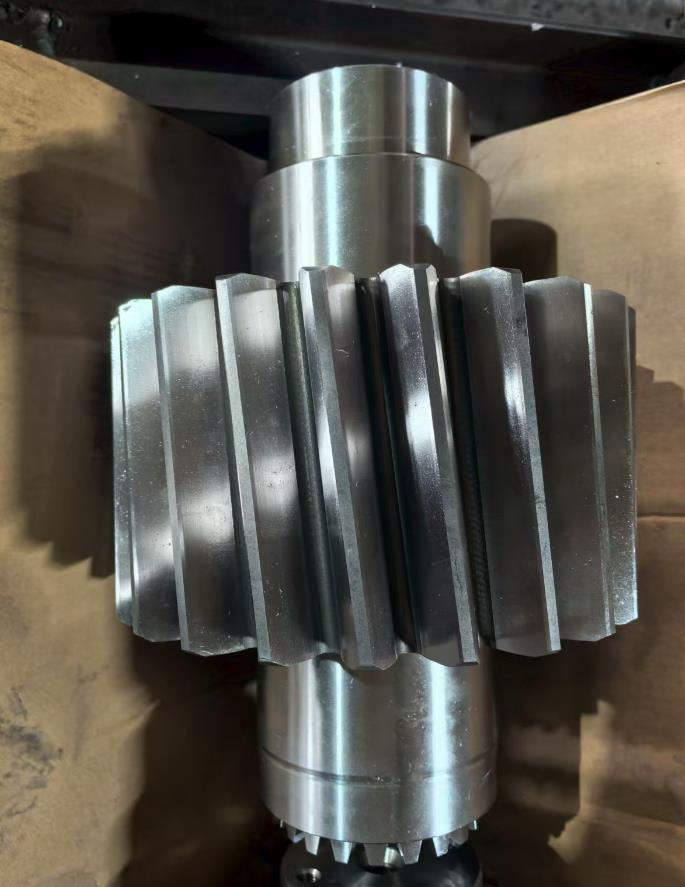
Every additional component in a drivetrain introduces a new opportunity for energy loss. The physics of gear count present a harsh operational reality. More gears always equal more friction. When engineers design a reduction gearbox, they must calculate the exact number of stages required. Each mesh introduces rolling resistance, sliding friction, and fluid drag.
You must balance your required reduction ratio with overall efficiency goals. The objective is to minimize the number of reduction stages while still achieving your target output speed. For instance, achieving a 20:1 reduction might be possible with two stages or three stages. The two-stage configuration will almost always retain more mechanical power. Careful ratio selection prevents over-engineering and eliminates unnecessary frictional bottlenecks.
Modern machinery often moves away from rigid, traditional gear trains. We now evaluate computer-controlled shifting and variable transmission systems. These digital systems optimize the mechanical efficiency curve dynamically. They adjust ratios automatically under variable loads. Traditional gearboxes force the motor to operate outside its peak efficiency band during load fluctuations. Digitally controlled systems keep the prime mover locked in its optimal power band. This integration of software and mechanical engineering maximizes power retention across the entire production cycle.
High-performance mechanical systems demand rigorous evaluation before procurement. Material science plays a massive role in actual efficiency. You must scrutinize machining tolerances and surface finishes. A rough gear tooth surface increases the coefficient of sliding friction. Premium hardening treatments, like carburizing or gas nitriding, create ultra-hard exterior surfaces. Engineers then precision-grind these surfaces to exact tolerances. This meticulous finishing process reduces internal friction significantly.
Thermal dynamics represent another critical evaluation dimension. You must evaluate how efficiently a gearbox handles heat. Heat is the ultimate enemy of mechanical power transfer. If internal temperatures rise too high, metal components expand. This expansion alters the mesh geometry, creating even more friction. It becomes a destructive cycle.
Lubrication requirements directly tie into thermal management. High theoretical efficiency drops rapidly if the system demands heavily viscous lubricants. Thick oils protect gears but create excessive fluid drag. Engineers call these "churning losses." The gears must expend valuable motor energy just to push heavy oil out of the way. Selecting a system compatible with advanced synthetic lubricants helps balance wear protection against churning efficiency. The right fluid dynamics keep the system cool without dragging down the mechanical output.
Purchasing premium components does not guarantee peak efficiency. Real-world implementation dictates actual performance. Field mechanics face severe challenges during installation and ongoing operation. You must recognize these adoption risks to protect your mechanical investments.
Installation pitfalls can destroy performance instantly. Micro-misalignments during assembly negate the high-efficiency rating of premium transmission gears. If the input shaft and motor shaft are slightly out of parallel, the gear teeth will not mesh perfectly. This uneven contact concentrates forces on the edge of the teeth. It causes localized spiking in friction, heat, and vibration.
The daily maintenance reality is equally demanding. Field personnel often struggle to maintain ideal operating conditions. Common pain points lead to premature efficiency drops:
Poor lubrication protocols allow oil to degrade, increasing friction over time.
Contaminant ingress (dust, water) turns lubricating fluid into an abrasive paste.
Skipped alignment inspections allow thermal expansion to shift components out of place permanently.
Blocked breather valves cause internal pressure buildup, leading to blown seals and fluid loss.
You must maintain transparent assumptions during the purchasing phase. Vendor-stated efficiency ratings generally come from idealized laboratory conditions. They test perfectly aligned gears using pristine fluids at controlled room temperatures. Harsh industrial environments rarely match these conditions. Buyers should aggressively discount these peak ratings by a realistic operational margin. Expect a 1% to 3% drop from catalog specifications during actual factory deployment.
Transitioning from theory to actual plant upgrades requires a structured procurement logic. You cannot replace every mechanical drive simultaneously. Procurement teams must follow a disciplined, data-driven approach to identify the most valuable upgrade opportunities.
Audit Current Systems: Baseline your existing gearbox performance before taking action. Deploy thermal imaging cameras to identify gearboxes running unusually hot. Use vibration analysis tools to detect internal mesh irregularities. Track the electrical power draw of the prime mover motors. High heat, heavy vibration, and excessive power draw indicate a severely inefficient gear train.
Vendor Interrogation: Challenge your suppliers during the quotation process. Do not accept generic peak efficiency claims. Request independent test data on transmission efficiency at your specific intended load and speed. Ask them to prove their thermal management claims under continuous, heavy-duty cycles. Ensure their recommended lubrication protocols align with your current factory capabilities.
Pilot Testing: Never execute a plant-wide replacement immediately. Recommend starting with a single-line upgrade. Install the new high-efficiency gearbox on a well-monitored machine. Measure the actual energy reduction and thermal improvements over a 90-day period. This pilot data provides the financial justification needed to roll out broader replacements across the facility.
Following this logical sequence protects your capital budget. It ensures you only invest in upgrades delivering measurable mechanical improvements. It also forces vendors to stand behind their engineering claims under your specific operational realities.
Optimizing mechanical drivetrain systems remains a high-leverage method for reducing facility energy costs. Upgrading your internal components directly improves machine longevity. It lowers thermal waste and reduces unexpected production stops. The physics of mechanical friction are unavoidable, but they are highly manageable through smart engineering choices. Selecting the right tooth profiles, minimizing unnecessary reduction stages, and demanding precise manufacturing tolerances will protect your bottom line.
Your next step is clear and actionable. Encourage your engineering team to conduct a comprehensive operational audit of your highest-load machinery. Identify the worst-performing units using thermal and vibration data. Then, contact a qualified gear manufacturer to model potential efficiency gains based on your exact application needs. Real efficiency requires moving past catalog assumptions and engineering solutions for the actual factory floor.
A: A realistic benchmark is 1% to 2% power loss per stage for high-precision helical systems. However, poorly lubricated spur gears can lose up to 4% or more per mesh. You must remember that compounding stages multiply this loss. A three-stage gearbox losing 2% per stage will ultimately waste around 6% of the total motor input energy.
A: No. While planetary systems offer excellent load distribution and compact power density, they are not a universal cure. Their efficiency depends heavily on manufacturing quality, the specific reduction ratio required, and load conditions. They also demand extremely precise alignment and maintenance. Traditional parallel systems often perform just as efficiently in simpler, low-ratio applications.
A: Yes, particularly for continuous-duty applications. In a machine running 24/7, even a 3% gain in mechanical efficiency translates to significant annualized electrical savings. However, this holds true only if you optimize installation alignment and maintain strict synthetic lubrication protocols. Micro-misalignments will instantly erase these potential energy savings.


