

+86-18913642321

Liduck.1985@163.com
DAWANG GEARBOX

Views: 0 Author: Site Editor Publish Time: 2025-10-30 Origin: Site


Have you ever wondered how plastic products get their shape? The secret lies in the plastic extruder gearbox. This vital component plays a crucial role in plastic manufacturing by transforming raw plastic into finished goods. In this post, you'll learn what a plastic extruder gearbox is, its significance in the industry, and an overview of the extrusion process. Stay tuned to discover how this powerhouse drives the plastic world!
The plastic extruder gearbox acts like a powerhouse. It takes the motor’s rotational energy and transfers it to the screw inside the extruder. This screw pushes molten plastic through a shaped die. Since plastic can be thick and sticky when melted, the gearbox must multiply torque — the twisting force — to push the material through smoothly. Without this torque amplification, the screw couldn’t generate enough force to shape the plastic properly.
Controlling the screw’s speed is vital for producing high-quality plastic products. The gearbox reduces the motor’s high speed to a slower, more manageable rate. This slower speed allows the extruder to handle the plastic carefully, ensuring even melting and shaping. Precise speed control helps maintain consistent flow rates, reducing defects in the final product like uneven thickness or weak spots.
Plastic extrusion involves intense heat and pressure. The gearbox must withstand these harsh conditions without breaking down. It’s built with strong materials and designed to handle continuous operation under heavy loads. Features like heat-treated gears and robust bearings help the gearbox resist wear and tear. Cooling and lubrication systems keep it running smoothly, preventing overheating and extending its lifespan.
A plastic extruder gearbox is made up of several essential parts that work together to deliver power and control. The input shaft receives rotational energy from the motor. This energy passes through a series of gears that adjust speed and increase torque. The output shaft then transfers this adjusted power to the extruder screw, which pushes the molten plastic forward.
The gears inside are usually helical or spur types, designed for efficient power transmission and minimal noise. Supporting these gears are bearings, which reduce friction and keep everything aligned. Bearings must be strong and durable because they handle heavy loads and constant rotation during extrusion.
To endure the harsh environment of plastic extrusion, the gearbox components undergo special treatments. Heat treatment strengthens the gears and shafts by hardening their surfaces, making them resistant to wear and fatigue. This process extends the gearbox’s lifespan, even under continuous high torque and pressure.
The surface finish of gears is also critical. Smooth, polished surfaces reduce friction and heat buildup. This minimizes energy loss and prevents premature damage. Manufacturers pay close attention to grinding and finishing processes to ensure gears mesh perfectly and run quietly.
Plastic extrusion generates a lot of heat, and the gearbox must stay cool to avoid damage. To manage this, most extruder gearboxes incorporate cooling systems, often using oil or water to carry heat away from the gears and bearings.
Lubrication is equally important. A well-designed lubrication system ensures a steady supply of oil to the moving parts, reducing friction and wear. It also helps flush out contaminants and prevent corrosion. Some gearboxes feature oil pumps or circulation systems that maintain optimal lubrication throughout operation.
Together, cooling and lubrication systems keep the gearbox running smoothly, even during long production runs.
Plastic extruder gearboxes come in several designs, each tailored to meet specific needs in the extrusion process. Choosing the right type depends on factors like torque requirements, space constraints, and the nature of the plastic material being processed. Here’s a closer look at the most common types:
Parallel shaft gearboxes have input and output shafts that run parallel to each other. They are simple in design and widely used in plastic extrusion because of their reliability and efficiency. These gearboxes transmit power smoothly through a series of gears, usually helical or spur types, which help reduce noise and wear.
Advantages:
● Easy to maintain due to straightforward construction
● Cost-effective for many standard extrusion applications
● Good for moderate torque and speed reduction needs
Applications:Often found in single-screw extruders and smaller extrusion machines where space isn’t a major constraint.
Planetary gearboxes feature a central “sun” gear surrounded by multiple “planet” gears, all encased within a ring gear. This compact design allows for high torque transmission in a smaller footprint. The load is shared among several gears, making planetary gearboxes highly durable and efficient.
Advantages:
● High torque output relative to size
● Compact, saving valuable floor space
● Excellent load distribution extends gearbox life
Applications:Ideal for large extruders or those requiring high-pressure extrusion, such as producing thick-walled pipes or heavy plastic profiles.
Some extrusion processes demand gearboxes tailored to unique requirements. Custom extruder gearboxes can be designed to handle unusual torque demands, fit into tight spaces, or integrate specialized cooling and lubrication systems.
Examples of customizations include:
● Modified gear ratios for precise speed control
● Enhanced materials or coatings for extreme temperature or chemical resistance
● Integration with advanced monitoring systems for predictive maintenance
Applications:Used in specialized industries like pharmaceutical extrusion, food processing, or advanced polymer manufacturing where standard gearboxes fall short.
One of the first signs that your plastic extruder gearbox needs attention is unusual noises or vibrations during operation. Gearboxes normally run smoothly and quietly. If you hear grinding, whining, or knocking sounds, it often indicates worn gears, damaged bearings, or misalignment. Vibrations can also signal imbalance or internal component wear.
Ignoring these symptoms can lead to severe damage. For example, worn gears may chip or break, causing costly downtime. Early detection through sound and vibration monitoring helps prevent unexpected failures.
Overheating is another critical warning sign. The gearbox generates heat during operation, but excessive temperature rise points to lubrication issues, overloading, or failing components. Overheated gearboxes risk gear and bearing damage, reducing their lifespan.
Oil leaks are a visible sign of trouble. Leaks reduce lubrication levels, increasing friction and wear. They may result from damaged seals, cracks, or loose fittings. If you notice oil pooling around the gearbox or dripping, inspect seals and connections immediately.
Declining performance is often subtle but equally important. If the extruder’s screw speed fluctuates, torque output drops, or the extrusion process becomes inconsistent, the gearbox might be the culprit. Reduced gearbox efficiency affects product quality, causing uneven thickness, surface defects, or slower production rates.
Performance issues can stem from internal wear, gear tooth damage, or lubrication failure. Regularly monitoring output and comparing it to baseline performance helps catch these problems early.
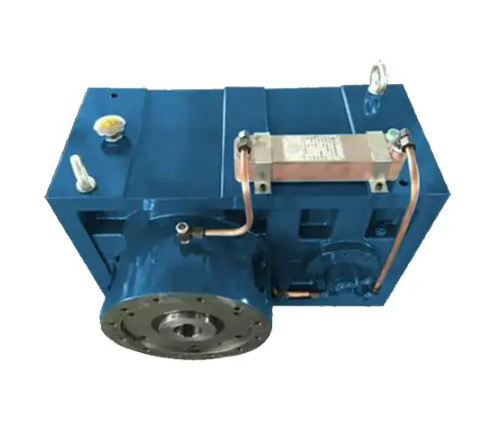
Regular maintenance and inspection of plastic extruder gearboxes are essential to keep production running smoothly and avoid costly downtime. These proactive steps help identify potential problems early, ensuring the gearbox performs at its best throughout its service life.
Routine checks catch small issues before they escalate into major failures. For example, inspecting gears and bearings for wear can prevent catastrophic breakdowns that stop production entirely. Early detection of misalignment or lubrication problems allows timely repairs, avoiding damage to expensive components.
Ignoring maintenance increases the risk of sudden gearbox failure, which can result in extended downtime and costly emergency repairs. Scheduled inspections reduce this risk by maintaining optimal operating conditions and identifying abnormal wear patterns early.
Regular maintenance extends the gearbox’s lifespan, saving money over time. Replacing worn parts or refreshing lubrication is far less expensive than buying a new gearbox or conducting major repairs. Proper care keeps the gearbox running efficiently, reducing energy consumption and minimizing wear on other machine parts.
Investing in maintenance also improves overall production quality. A well-maintained gearbox ensures consistent torque and speed control, leading to uniform plastic extrusion and fewer defective products.
Implementing a maintenance schedule is key. This includes:
● Visual inspections: Look for oil leaks, cracks, or unusual wear.
● Lubrication checks: Ensure oil levels are adequate and oil is clean.
● Temperature monitoring: Check for overheating during operation.
● Noise and vibration analysis: Listen for unusual sounds or vibrations indicating internal issues.
● Alignment verification: Confirm shafts and gears are properly aligned.
Following manufacturer recommendations for service intervals and using condition monitoring tools can optimize maintenance efforts. Keeping detailed maintenance records helps track gearbox health and plan future service needs.
Deciding whether to repair or replace a plastic extruder gearbox depends on several key factors:
● Extent of Damage: Minor wear or damaged seals often call for repair. Severe gear tooth damage, shaft misalignment, or casing cracks may require replacement.
● Age and Service Life: Older gearboxes nearing the end of their expected lifespan might be better replaced to avoid repeated failures.
● Downtime Costs: Repairing can be faster and less costly upfront, reducing production downtime. However, frequent repairs add up over time.
● Availability of Parts: If spare parts are rare or obsolete, replacement might be the only option.
● Technological Upgrades: New gearboxes may offer improved efficiency, better materials, or advanced monitoring features, making replacement attractive.
● Budget Constraints: Repair often costs less initially, but replacement can be more cost-effective long term if the gearbox is heavily worn.
Repairing a plastic extruder gearbox offers several advantages:
● Cost Savings: Repairs typically cost a fraction of a new gearbox price, especially when addressing common issues like bearing replacement or seal leaks.
● Shorter Lead Times: Repair facilities can often service gearboxes faster than the time needed to order and install a new unit.
● Preserves Existing Setup: Repair avoids the need for machine modifications or re-commissioning required by new gearboxes.
● Custom Repairs: Skilled technicians can restore worn gears, recondition shafts, and improve performance, extending gearbox life.
● Environmental Benefits: Repairing reduces waste and resource use compared to full replacement.
Replacement becomes necessary under these circumstances:
● Catastrophic Damage: Broken gears, shaft failure, or cracked housings that compromise structural integrity.
● Repeated Failures: Frequent repairs indicate underlying issues that repair alone can't fix.
● Obsolete Models: When the gearbox design is outdated or parts are unavailable.
● Performance Limitations: If production demands exceed the gearbox’s capacity, upgrading to a new model is essential.
● Cost of Repairs Exceeds Value: When repair costs approach or exceed the price of a new gearbox.
In these cases, investing in a new gearbox ensures reliable operation, improved efficiency, and often includes warranties and technical support.
Plastic extruder gearboxes are essential in many industries beyond just plastic manufacturing. Their ability to provide precise torque and speed control, combined with durability, makes them versatile for various extrusion processes. Let’s explore the main applications where these gearboxes play a critical role.
The primary application of plastic extruder gearboxes is in plastic extrusion itself. Here, they power the screws that melt and shape plastic pellets into finished products. These products include pipes, sheets, films, profiles, and packaging materials. The gearbox ensures consistent screw rotation, which maintains uniform plastic flow and product quality.
Different plastics require varying torque and speed settings, so the gearbox must adapt accordingly. For example, extruding thick-walled pipes demands more torque than thin plastic films. The gearbox’s design and type are selected based on these specific needs to optimize performance.
Extruder gearboxes are also widely used in rubber extrusion. The process involves shaping rubber compounds into profiles, seals, hoses, or gaskets. Rubber’s high viscosity and elasticity require gearboxes that can handle heavy torque loads and continuous operation without overheating.
In the food industry, extrusion shapes products like snacks, cereals, pasta, and pet food. Food extrusion gearboxes must meet stringent hygiene standards and often use food-grade lubricants. Precise speed control ensures consistent texture and shape, critical for consumer acceptance. These gearboxes often have special seals and materials to prevent contamination.
In pharmaceutical manufacturing, extruder gearboxes help produce drug formulations and polymer-based medical devices. The extrusion process here demands high precision and cleanliness. Gearboxes must operate reliably under strict regulatory requirements, often in sterile environments.
Chemical industries use extrusion to process specialty chemicals and polymers. These materials can be abrasive or corrosive, so gearboxes are often customized with enhanced materials or coatings for resistance. The gearbox’s reliability and durability ensure continuous production despite harsh conditions.
Plastic extruder gearboxes play a crucial role in power transmission, speed control, and durability in high-pressure environments. Future trends in gearbox technology focus on improved efficiency and advanced monitoring systems. Regular maintenance and optimization are essential for longevity and performance. Dawang offers innovative solutions, ensuring quality and reliability in plastic extrusion processes. Their gearboxes provide exceptional value through precise control and durability, tailored to meet diverse industry needs.
A: A Plastic Extruder Gearbox is a mechanical device that transfers and amplifies torque from a motor to an extruder screw, enabling the extrusion of plastic materials.
A: The gearbox reduces motor speed and increases torque to drive the extruder screw, ensuring precise speed control and consistent plastic flow.
A: Torque amplification is crucial for pushing thick, molten plastic through the extruder die efficiently, ensuring proper shaping and quality.
A: Regular maintenance prevents failures, extends lifespan, and ensures consistent performance, reducing downtime and repair costs.
A: Signs include unusual noises, vibrations, overheating, oil leaks, or decreased performance, indicating potential issues needing attention.


